
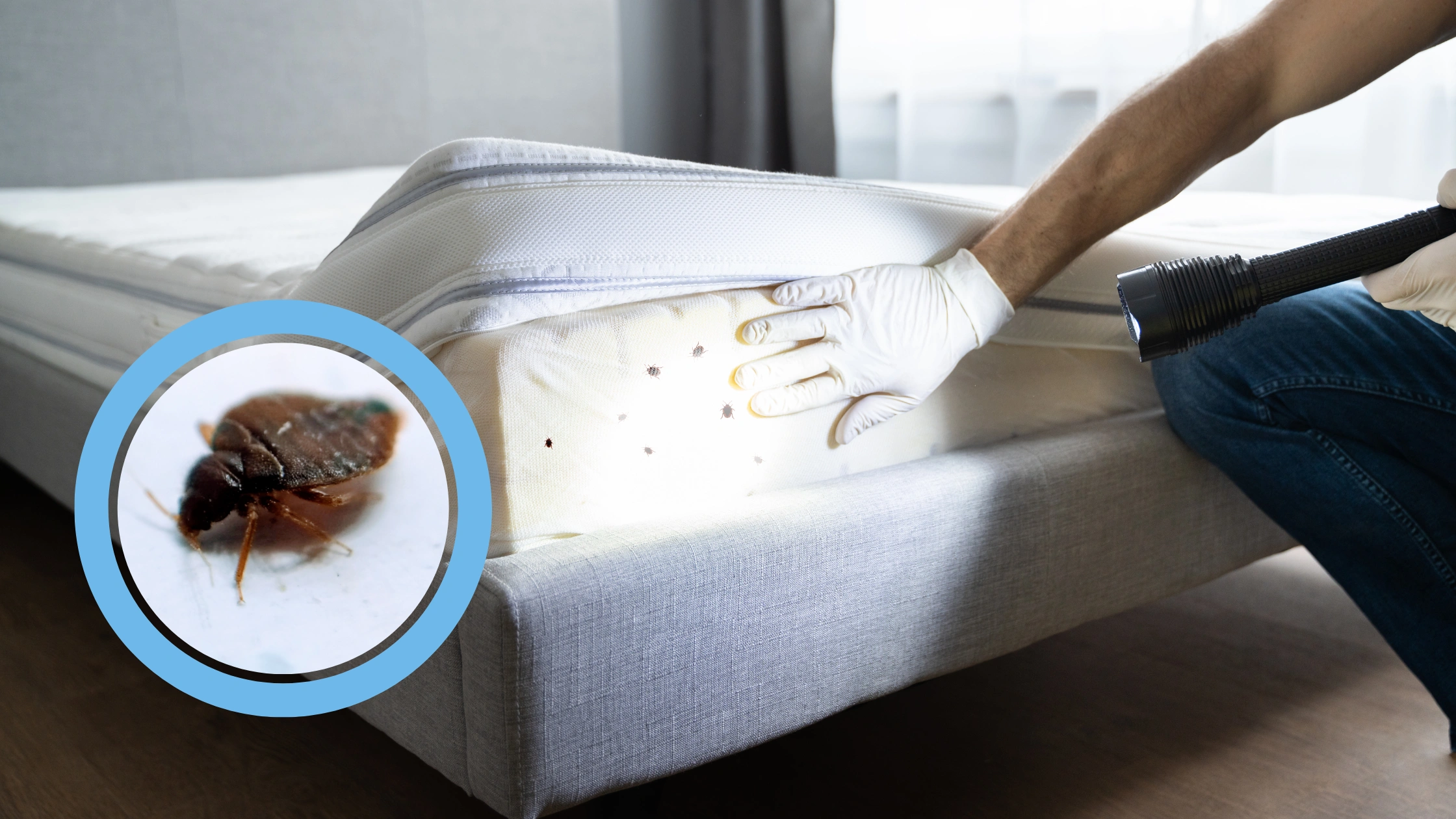
Bed bugs have become an increasingly common problem across Victoria, affecting homes, hotels, and businesses throughout the state. These persistent pests are notoriously difficult to eliminate once they establish themselves in your property. Understanding how to identify bed bugs early, recognizing the signs of an infestation, and knowing when to call for professional bed bug removal in Victoria can save you significant time, money, and distress.
In this comprehensive guide, we’ll walk you through everything you need to know about bed bugs, from identification to prevention, and explain why professional treatment is your best defence against these unwelcome invaders.
What Are Bed Bugs?
Bed bugs (Cimex lectularius) are small, parasitic insects that feed exclusively on the blood of warm-blooded animals, with humans being their preferred host. These nocturnal pests have been plaguing human dwellings for thousands of years, and despite advances in pest control, they’ve made a significant comeback in recent decades across Australia and worldwide.
Physical Characteristics
Adult bed bugs are approximately 4-5 millimetres in length, roughly the size of an apple seed. They have flat, oval-shaped bodies that are reddish-brown in colour, though they appear more reddish and swollen after feeding. Before feeding, their flattened shape allows them to squeeze into incredibly tight spaces, including cracks as thin as a credit card.
Bed bugs go through several life stages: eggs, five nymphal stages, and finally adulthood. The eggs are tiny, about 1mm long, and appear as white, pearl-like specks. Nymphs look similar to adults but are smaller and lighter in colour, becoming progressively darker with each moult. Understanding these various life stages is crucial for effective bed bug inspection and treatment.
Behaviour and Habits
Bed bugs are primarily active at night, typically feeding on sleeping hosts between 2 am and 5 am. They’re attracted to the carbon dioxide we exhale and our body heat. A single bed bug can feed for 5-10 minutes before retreating to its hiding place to digest its meal. After feeding, they can survive for several months without another blood meal, making them incredibly resilient pests.
Despite their name, bed bugs don’t limit themselves to beds. They can be found in any area where people rest or sleep for extended periods. Common hiding spots include mattress seams, box springs, bed frames, headboards, nightstands, upholstered furniture, behind wallpaper, inside electrical outlets, and even behind picture frames. Their ability to hide in such diverse locations makes bed bug removal in Victoria a job that requires professional expertise.
Are Bed Bugs Common in Victoria?
Victoria, particularly Melbourne and surrounding suburbs, has experienced a notable increase in bed bug infestations over the past decade. Several factors contribute to this rise: increased international travel, second-hand furniture purchases, high-density living arrangements, and the insects’ growing resistance to certain pesticides. No property is immune to bed bugs regardless of cleanliness levels, though clutter can provide more hiding places for these pests to establish themselves.
How to Identify an Infestation
Early detection is critical when dealing with bed bugs. The sooner you identify an infestation, the easier and less expensive it will be to eliminate. Here are the key bed bug signs to watch for in your Victorian home:
Visual Evidence of Bed Bugs
The most obvious sign of bed bugs is seeing the insects themselves. Check your mattress seams, box spring, bed frame joints, and nearby furniture, especially in the early morning hours. Use a flashlight and magnifying glass for thorough bed bug inspection. Look carefully in crevices, folds, and tufts of upholstered furniture.
Beyond live bugs, you may notice shed skins or exoskeletons. As bed bugs mature through their five nymphal stages, they moult and leave behind translucent, yellowish shells. Finding these casings is a reliable indicator of an active infestation, as they indicate bed bugs are breeding and maturing in your home.
Bite Patterns and Skin Reactions
Bed bug bites often appear as small, red, itchy welts on exposed skin. They frequently occur in a distinctive linear or clustered pattern, sometimes described as “breakfast, lunch, and dinner” arrangements where three or more bites appear in a row. Common bite locations include the face, neck, arms, hands, and legs, areas typically exposed while sleeping.
However, it’s important to note that approximately 30% of people don’t react to bed bug bites at all, meaning you could have an infestation without experiencing any visible bites. Additionally, bed bug bites can be easily confused with mosquito bites, flea bites, or other skin conditions. Bites alone aren’t definitive proof of bed bugs, which is why a comprehensive bed bug inspection is essential.
Fecal Stains and Blood Spots
Bed bugs leave behind telltale signs of their presence through their waste. Look for small, dark spots on your sheets, mattress, or nearby walls. These are fecal stains, which appear as tiny dark brown or black dots that may smear if wiped with a damp cloth. These stains are digested blood and typically cluster around the bugs’ hiding places.
You may also notice small blood smears on your sheets or pillowcases. These occur when bed bugs are accidentally crushed during sleep or when bites bleed slightly after the bug has finished feeding. Fresh blood spots appear red, while older stains may appear rust-coloured or brown.
Musty Odour
In cases of severe infestation, bed bugs produce a distinctive sweet, musty odour. This smell comes from the pheromones bed bugs release and has been described as similar to coriander, almonds, or berries with a slightly unpleasant undertone. If you notice this unusual odour in your bedroom or other areas where people sleep, it warrants immediate investigation and professional bed bug inspection.
Where to Look During Inspection
When conducting a bed bug inspection, focus on these high-priority areas:
Sleeping Areas: Strip your bed completely and examine all mattress seams, tags, and the box spring. Check the bed frame, especially corners and joints. Inspect the headboard, both front and back. Don’t forget to check under the bed and any storage items beneath it.
Furniture Near Beds: Examine nightstands, dressers, and any upholstered furniture within 15 feet of the bed. Check drawers, including the undersides and joints. Look behind and underneath furniture pieces.
Other Potential Hiding Spots: Inspect baseboards and carpet edges, particularly where the carpet meets the wall. Check behind picture frames, mirrors, and wall hangings. Examine electrical outlets and light switches. Look along curtain folds and inside curtain rods. Check any cracks in walls or peeling wallpaper.

How Bed Bugs Spread
Understanding how bed bugs spread is essential for bed bug prevention. Unlike many pests, bed bugs don’t infest homes due to poor hygiene or cleanliness. They’re opportunistic hitchhikers that can affect anyone, regardless of socioeconomic status or housekeeping habits.
Travel and Accommodation
The most common way bed bugs spread is through travel. Hotels, motels, hostels, and vacation rentals can harbor bed bugs, which then hitch rides in luggage, clothing, or personal belongings. Victoria’s thriving tourism industry and Melbourne’s position as a major travel hub contribute to the spread of these pests throughout the state.
When traveling, always inspect your accommodation upon arrival. Keep luggage on luggage racks away from the bed and walls, never on the floor or bed. Upon returning home, inspect all luggage outdoors if possible, and immediately wash and dry all clothing on high heat.
Second-Hand Furniture and Items
Purchasing or accepting second-hand furniture, especially mattresses, bed frames, and upholstered items, poses a significant risk. Bed bugs can hide in furniture for months waiting for a new host. Even seemingly clean, quality furniture can harbor these pests.
Before bringing any used furniture into your Victorian home, conduct a thorough inspection. Look in all crevices, seams, and joints. If you’re unsure about an item’s condition, it’s better to err on the side of caution and decline it. The cost of professional bed bug removal in Victoria far exceeds the savings from free or cheap used furniture.

Multi-Unit Housing
Apartments, condominiums, and townhouses present unique challenges for bed bug prevention. Bed bugs can travel between units through shared walls, electrical conduits, plumbing, and ventilation systems. A single infested unit can potentially spread bed bugs throughout an entire building if not addressed promptly.
If you live in multi-unit housing in Victoria, coordinate with property management and neighbours regarding bed bug prevention and treatment. Building-wide inspections and treatments may be necessary to fully eliminate an infestation.
Visitors and Social Situations
Guests can unknowingly bring bed bugs into your home on their clothing, bags, or belongings. Similarly, you can pick up bed bugs when visiting infested homes, sitting in upholstered furniture in public spaces, or using public transportation.
While you can’t avoid all social interactions, being aware of the risk and taking precautions can help. If you know someone dealing with bed bugs, politely decline invitations to their home until the problem is resolved. After attending events or gatherings in unfamiliar locations, inspect your clothing and belongings before bringing them inside your home.
Schools and Workplaces
Children can unknowingly transport bed bugs between home and school in backpacks, clothing, or personal items. Similarly, offices with upholstered furniture, break rooms, or storage areas can become transmission points. While less common than travel-related infestations, these scenarios do occur and require vigilance.
Why Professional Treatment Is Essential
Many homeowners initially attempt DIY bed bug removal to save money, but this approach rarely succeeds and often makes the problem worse. Here’s why professional bed bug removal in Victoria is not just recommended but essential for effective elimination:
Limitations of DIY Methods
Over-the-counter pesticides available to consumers are generally ineffective against bed bugs. Many bed bug populations in Victoria have developed resistance to common insecticides. Additionally, these products often only kill bed bugs on contact and don’t reach the eggs or bugs hiding in wall voids and other inaccessible areas.
DIY treatments can actually worsen infestations by causing bed bugs to scatter into new areas of your home, making them harder to track and eliminate. This phenomenon, known as “dispersal,” turns a localized problem into a whole-home infestation. What started as bed bugs in one bedroom can spread throughout your property if improper treatment methods are used.
Comprehensive Professional Approach
Licensed pest control professionals in Victoria use integrated pest management (IPM) approaches that combine multiple treatment methods for maximum effectiveness. This typically includes thorough inspections to identify all infestation sites, heat treatments that can reach temperatures lethal to bed bugs at all life stages, targeted application of professional-grade pesticides that are more effective and longer-lasting than consumer products, steam treatments for immediate kill on contact, and encasements for mattresses and box springs to trap any remaining bugs.
Professional technicians have the training, experience, and equipment necessary to treat hard-to-reach areas where bed bugs hide. They can access wall voids, treat electrical outlets safely, and apply residual pesticides in appropriate locations that provide long-term protection.
Professional Treatment and Follow-Up
Reputable pest control companies in Victoria offer professional treatments and scheduled follow-up visits. Bed bug elimination typically requires multiple treatments spaced 2-3 weeks apart to address newly hatched bugs from eggs that survived the initial treatment. Professional services include these follow-up visits in their treatment plans.
Additionally, professional companies provide detailed preparation instructions to ensure treatments are as effective as possible. They’ll guide you through necessary steps like laundering and heat-treating belongings, reducing clutter, and moving furniture to allow access to treatment areas.
Health and Safety Considerations
Professional pest control technicians are trained in the safe application of pesticides and understand how to minimize risks to humans and pets. They use products registered with the Australian Pesticides and Veterinary Medicines Authority (APVMA) and apply them according to strict guidelines.
DIY pesticide use, on the other hand, often involves misapplication that can create health hazards. Overuse of pesticides, using products in inappropriate locations, or mixing chemicals can result in toxic exposures that put your family’s health at risk.
Cost-Effectiveness
While professional bed bug removal in Victoria requires an upfront investment, it’s ultimately more cost-effective than repeated DIY attempts that fail to eliminate the infestation. Consider the cumulative cost of multiple cans of ineffective sprays, repeatedly replacing infested belongings, potential medical bills from continued bites or pesticide exposure, lost sleep and reduced quality of life, and possible damage to your home’s reputation if you’re a landlord or run a business.
Professional treatment typically costs between $300-$1,500 for a single-family home, depending on the severity of the infestation and the size of the property. While this may seem expensive, it’s a small price to pay for effective, guaranteed elimination of these persistent pests.
Documentation and Legal Protection
If you’re a tenant, landlord, or business owner, professional bed bug treatment provides documentation that can be important for legal purposes. Professional pest control companies provide written reports of inspections, treatments performed, and follow-up visits. This documentation can be crucial if disputes arise regarding responsibility for treatment costs or if you need to demonstrate due diligence in addressing the problem.
Bed Bug Prevention Strategies
After successfully eliminating bed bugs from your Victorian home, or if you’ve been fortunate enough to avoid an infestation, implementing bed bug prevention measures is crucial:
Travel Precautions
Inspect hotel rooms immediately upon arrival, before bringing in your luggage. Check the mattress, headboard, and furniture near the bed. Keep luggage on hard surfaces away from beds and walls, preferably on a luggage rack. Upon returning home, inspect all luggage outdoors if possible. Immediately wash and dry all clothing on the highest heat setting the fabric can tolerate. Consider storing luggage in sealed plastic containers or in areas away from bedrooms.

Home Protection Measures
Encase mattresses and box springs in bed bug-proof covers. These zippered encasements trap any bed bugs inside and prevent new bugs from accessing the mattress. Reduce clutter in bedrooms, which provides fewer hiding places for bed bugs. Vacuum regularly, paying special attention to mattress seams, furniture crevices, and baseboards. Seal cracks and crevices in walls, baseboards, and around electrical outlets. Inspect and launder bedding frequently in hot water.
Careful with Second-Hand Items
Thoroughly inspect all used furniture before bringing it home. Be particularly cautious with upholstered furniture, mattresses, and bed frames. Consider avoiding second-hand mattresses altogether, as they’re high-risk items. If you do acquire used furniture, treat it with heat or have it professionally inspected before introducing it to your home.
Multi-Unit Housing Vigilance
If you live in an apartment or condo, maintain good communication with property management regarding pest control. Report any signs of bed bugs immediately, not just in your unit but anywhere in the building. Be supportive of neighbours dealing with infestations rather than stigmatizing them, as cooperation is essential for building-wide elimination.
Regular Monitoring
Even after professional treatment or if you’ve never had bed bugs, regular monitoring helps catch problems early. Consider installing bed bug interceptors under bed legs. These simple devices trap bed bugs attempting to climb onto or down from the bed, providing an early warning system. Conduct visual inspections of your sleeping areas monthly. Look for the bed bug signs discussed earlier: live bugs, fecal stains, shed skins, and blood spots.
When to Call a Professional
Don’t wait to contact a professional pest control service if you notice any bed bug signs. Early intervention is crucial for several reasons. Small infestations are easier and less expensive to treat than large ones. Early treatment prevents bed bugs from spreading to other rooms or units. Quick action minimizes the psychological stress and health impacts of dealing with bed bugs. Professional treatment avoids the wasted time and money on ineffective DIY methods.
Conclusion
Bed bugs are challenging pests that require knowledge, vigilance, and professional expertise to eliminate effectively. By understanding what bed bugs are, recognizing the signs of infestation early, knowing how they spread, and implementing bed bug prevention strategies, you can protect your Victorian home from these persistent invaders.
Remember that bed bugs are not a reflection of cleanliness or housekeeping. They can affect anyone, and there’s no shame in discovering you have them. What matters is taking swift, appropriate action by contacting licensed pest control professionals who specialize in bed bug removal in Victoria.
Don’t let bed bugs disrupt your peace of mind and quality of life. If you suspect bed bugs in your home or simply want a professional bed bug inspection for peace of mind, contact a reputable pest control service today. With the right professional help and preventive measures, you can keep your home bed bug-free and sleep soundly knowing your property is protected.
Frequently Asked Questions
The earliest signs include small, itchy red bites in linear patterns or clusters, tiny dark fecal spots on sheets and mattress seams, pale shed skins near sleeping areas, and small rust-colored blood spots on bedding. In severe cases, you may detect a sweet, musty odor. If you notice any of these signs, conduct a thorough bed bug inspection immediately and contact a professional pest control service.
Yes, bed bugs readily spread between rooms by crawling through wall voids, along baseboards, through electrical conduits, and across floors. They migrate when searching for food or when their population grows too large. This is especially problematic in apartments where they can travel between units through shared walls. This spreading tendency is why professional bed bug removal in Victoria is essential, as professionals treat all affected and adjacent areas to prevent relocation rather than elimination.
Bed bug bites don’t transmit diseases, but they can cause itchy welts that may lead to secondary skin infections from scratching. Some people experience allergic reactions ranging from mild to severe. The psychological impact is significant, with many people experiencing anxiety, sleep disruption, and stress. Children, elderly individuals, and those with compromised immune systems may be more susceptible to complications.
Professional bed bug removal uses integrated pest management with multiple approaches. The process begins with thorough inspection to map the infestation, followed by treatment methods including heat treatments that reach lethal temperatures, targeted professional-grade insecticides, steam treatments for immediate kill, and vacuuming to remove bugs and eggs. Technicians install mattress encasements and schedule follow-up visits 2-3 weeks later to address newly hatched bugs. Treatment guarantees ensure complete elimination, with the entire process typically taking 4-6 weeks from initial treatment to final confirmation.
This article provides general information only. For tailored advice or professional inspection, please contact Termite Solutions Victoria.